Trying to decide between in-town Sylva convenience, a riverfront retreat, or a quiet mountain-view cabin? In ZIP code 28779, small differences in terrain, utilities, and road access can change your daily routine and your budget. You want a neighborhood that fits your lifestyle and helps you buy with confidence. This guide breaks down Sylva’s main living areas, key trade-offs, and the due diligence that matters most so you can choose well. Let’s dive in.
How Sylva’s layout shapes your choices
Sylva sits in a mountain valley along the Tuckasegee River with neighborhoods rising into nearby hills. It serves as a regional hub for shops, medical services, and county offices, while Western Carolina University in the adjacent Cullowhee area influences housing demand. Because the market is small and topography varies, details like floodplain status, road maintenance, and whether a home uses municipal sewer or a septic system carry real weight.
In this setting, you’ll see a few clear neighborhood types. Each offers its own mix of home styles, access to amenities, and terrain. Understanding these patterns will help you narrow your search quickly.
Neighborhood types in Sylva
Downtown and in-town Sylva
Expect older bungalows, cottages, and some small multifamily units near Main Street, plus occasional infill. The valley floor is flatter than surrounding hills, so errands and community events are easier to reach. Many streets have municipal water and sewer, sidewalks, and street lighting.
- What you’ll love: Walkability, quick errands, and close proximity to shops and services.
- Potential trade-offs: Smaller lots, less privacy, and fewer wide mountain views.
- Quick checks:
- Confirm municipal water and sewer availability if being in-town is a priority.
- Review any nearby commercial activity for traffic and noise at different times of day.
University-adjacent and Cullowhee-edge
East and southeast of downtown, you’ll find modest single-family homes, duplexes, and newer subdivisions that benefit from Western Carolina University proximity. Topography is mixed, with valley sections and lower hillside streets. Demand can include both owner-occupants and investors.
- What you’ll love: Access to campus facilities and college-driven businesses, plus strong rental interest in some pockets.
- Potential trade-offs: More tenant turnover near campus and varied management rules depending on HOA or local guidelines.
- Quick checks:
- Review any neighborhood covenants for rental rules and parking standards.
- Compare recent rental comps if income potential is part of your plan.
Riverfront and valley along the Tuckasegee
Cottages, ranches, renovated historic homes, and river-access properties line sections of the valley. Scenic settings and recreation appeal are high. Flood risk varies by parcel, which affects insurance needs and building limitations.
- What you’ll love: Fishing, kayaking, and a scenic backdrop close to town.
- Potential trade-offs: Floodplain exposure can increase insurance costs and restrict building.
- Quick checks:
- Verify flood zone status and ask for any elevation certificates or flood history.
- Confirm riparian buffer and setback rules that may limit improvements near the river.
West/Highlands Road corridor and nearby hills
This area includes mid-century ranches, newer single-family homes, and modular homes on sloped lots. You’ll get a more rural feel with quick access to US-74 and town services a short drive away. Some properties have larger yards and partial views.
- What you’ll love: More space and privacy with straightforward access to main corridors.
- Potential trade-offs: Steeper driveways, winter driving considerations, and possible reliance on wells and septic outside town limits.
- Quick checks:
- Identify whether the road is state, county, or private and confirm maintenance responsibilities.
- Confirm well and septic details, including recent records and drainfield location.
Higher-elevation mountain parcels and secluded pockets
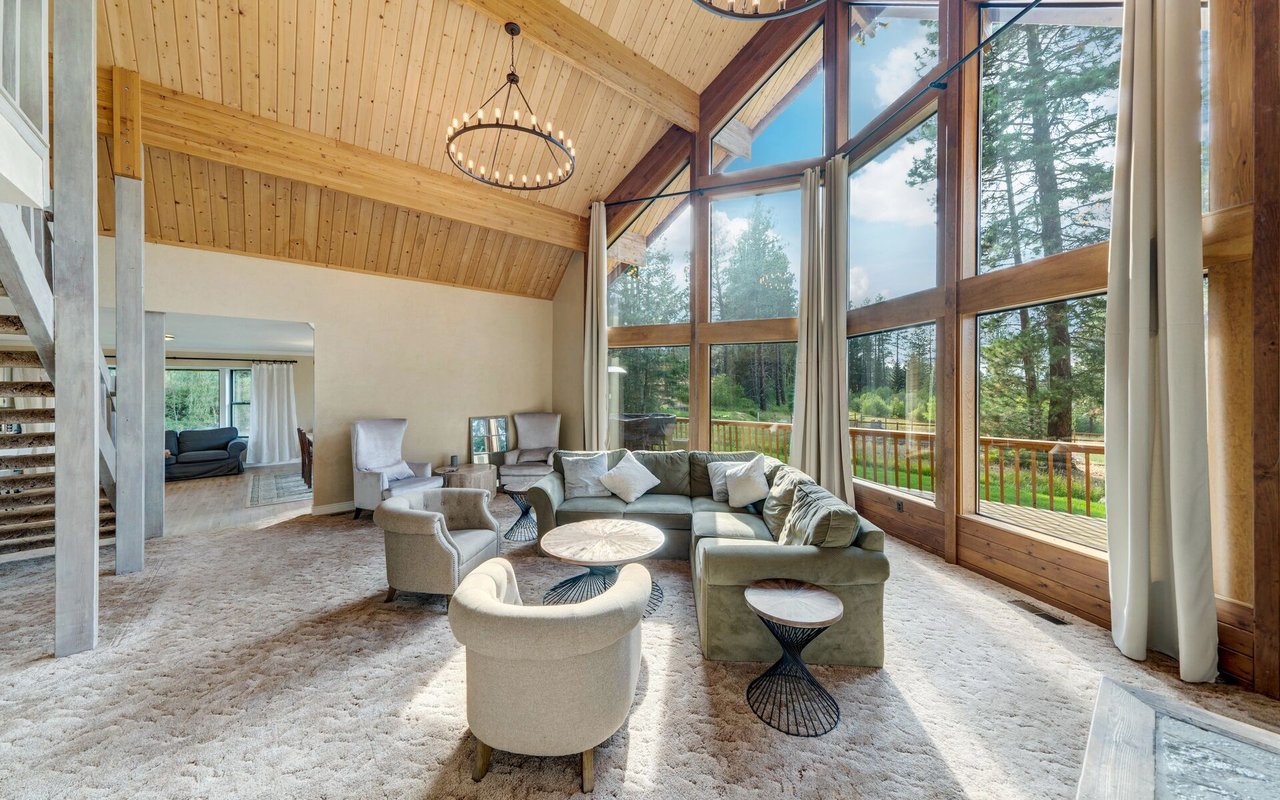
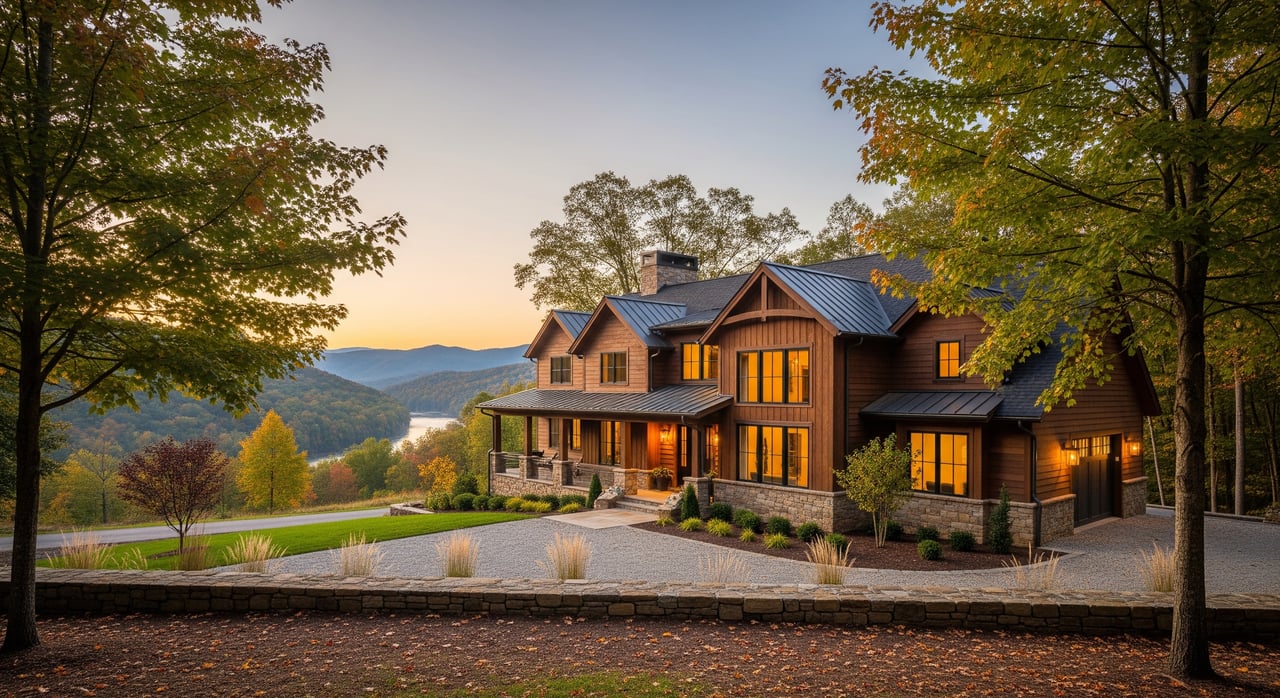
Log cabins, mountain-modern homes, custom builds, and vacation properties are common as you rise into higher elevations. Privacy and views drive value, with longer drives to services. Utilities are often limited to electric service, well water, and septic systems.
- What you’ll love: Big views, quiet settings, and a true mountain experience.
- Potential trade-offs: Longer commutes, more winter exposure, private road agreements, and higher site-prep costs for steep lots.
- Quick checks:
- Review slope and contour maps to estimate usable building area and driveway design.
- Ask for any road maintenance agreements and recent work records.
Small subdivisions and planned neighborhoods
On gentler slopes or graded lots you’ll find newer construction with craftsman or contemporary mountain styles. Some developments have HOAs that maintain shared roads and standards. These pockets can offer predictability in build quality and design.
- What you’ll love: Newer homes, consistent neighborhood standards, and occasional community features.
- Potential trade-offs: HOA fees, covenants, and premiums for new construction.
- Quick checks:
- Review HOA budgets, rules, and any rental policies.
- Check drainage design and any engineered solutions on graded sites.
Price patterns to expect
In-town homes often carry a convenience premium for walkability and municipal services, though lots are smaller. Riverfront and view properties usually command higher prices due to recreation access and scenery. Homes on private roads or those requiring well and septic can be priced lower than similar in-town properties, reflecting maintenance and utility realities.
Proximity to Western Carolina University can change pricing dynamics near campus, especially for homes with rental appeal. To understand the current picture, compare recent solds in ZIP 28779 by subarea, terrain, and utility setup rather than relying on broad county averages.
What to check before you buy
A few due diligence steps are especially important in mountain markets like Sylva:
- Flood risk and insurance: Confirm floodplain status. Ask for any elevation certificates and past flood history. Factor insurance costs into your budget if a parcel is in a mapped flood zone.
- Water, sewer, and septic: Identify municipal service versus well and septic. For septic systems, request recent pumping or inspection records and clarify drainfield location.
- Road access and maintenance: Determine if the road is state, county, or private. Private roads often have shared maintenance responsibilities and potential assessments.
- Utilities and internet: Confirm power provider, propane availability, and realistic internet speeds. Many rural areas rely on DSL, fixed wireless, or satellite.
- Elevation, slope, and buildability: Use contour information to estimate grading, driveway, and foundation complexity on steeper sites.
- Zoning and covenants: Review town or county zoning along with any HOA rules that affect accessory structures, short-term rentals, or exterior finishes.
- Schools and commute: Check attendance zones if that matters to you. Estimate drive times to healthcare, groceries, and work, keeping winter conditions in mind.
- Environmental considerations: Near waterways, confirm buffer rules. For wells, consider water testing. If you are purchasing acreage, check for any conservation easements.
- Title and easements: Look for recorded easements or right-of-way agreements, plus any mineral or timber rights that could affect use.
Match your lifestyle with the right area
- You want walkability and easy errands: Focus on downtown and in-town Sylva with municipal services and quick access to Main Street.
- You need proximity to Western Carolina University: Target university-adjacent or Cullowhee-edge neighborhoods east and southeast of town.
- You want river access and a scenic feel: Explore properties along the Tuckasegee River and verify flood specifics for each parcel.
- You crave privacy and big views: Consider higher-elevation parcels and secluded mountain pockets, and plan for longer drives and private roads.
- You prefer new construction and consistency: Look at small subdivisions and planned neighborhoods with defined standards and HOA oversight.
- You’re an investor: Compare homes near WCU for student demand and in-town locations that suit short-term visitors. Confirm local rental rules and seasonal patterns.
How to compare your shortlist like a local
Use this quick process to move from browsing to confident offers:
- Pull recent sold comps by micro-area. Match terrain, utility type, and road status rather than only square footage or age.
- Confirm utilities early. Municipal water and sewer versus well and septic can change both upkeep and financing.
- Check road maintenance in writing. Ask for any road agreements, dues, and recent grading or paving history.
- Verify flood, slope, and drainage. Review floodplain status and consider a site visit after heavy rain to assess runoff.
- Validate internet options. Confirm provider and speeds so your work and streaming needs are covered.
- Review HOA documents. Scan rules for rental policies, exterior standards, budgets, and reserve funds.
- Check zoning and uses. Make sure your plans for additions, accessory buildings, or rental use align with local rules.
- Time the drive. Visit at different times and in varied weather to test real-world access.
Ready to explore Sylva neighborhoods?
When you combine lifestyle goals with local due diligence, the right neighborhood in 28779 becomes clear. Whether you want in-town convenience, river access, or high-elevation views, you can buy with confidence by focusing on terrain, utilities, road access, and local rules. If you’d like a steady guide and on-the-ground insight, our team is here to help you create mountain certainty from your first showing to the closing table.
Reach out to the local team at Great Smoky Mountain Homes to start your Sylva search today.
FAQs
What makes in-town Sylva different from nearby mountain parcels?
- In-town properties often have municipal water and sewer with flatter lots and easy access to services, while higher-elevation parcels favor privacy and views with well and septic and longer drives.
How does flood risk affect homes along the Tuckasegee River?
- Floodplain status can drive insurance costs and limit building near the river, so verify maps, ask for elevation certificates, and factor premiums into your budget before you offer.
What should I know about private roads and winter access in Jackson County?
- Private roads usually require shared maintenance agreements, and steeper or unpaved driveways can be challenging in winter, so get written terms and recent maintenance records.
How does Western Carolina University influence nearby neighborhoods?
- Areas near campus can see higher rental demand and pricing dynamics tailored to investors, so evaluate rental rules, turnover patterns, and comps specific to university-adjacent streets.
What utility and internet options should I expect outside town limits?
- Many rural homes use electric service with propane for heat, plus well and septic; internet may be DSL, fixed wireless, or satellite, so confirm providers and speeds for each address.
Are HOAs common in Sylva’s newer neighborhoods?
- Some newer subdivisions use HOAs to manage shared roads and standards, which adds predictability but also fees and rules, so review budgets and covenants early in your search.