Thinking about buying a Bryson City cabin to rent on Airbnb or Vrbo? You are not alone. With the Great Smoky Mountains drawing millions of visitors each year, the 28713 market offers real potential if you underwrite carefully and tailor your property to what travelers want. In this guide, you will see the key numbers, seasonality, taxes, and a step-by-step framework to evaluate a specific address with confidence. Let’s dive in.
Demand and seasonality in Bryson City
Park and signature draws
Bryson City sits at the gateway to Great Smoky Mountains National Park. The park recorded about 13.3 million recreation visits in 2023, which anchors steady leisure demand across the year and spikes in peak months. You also benefit from destination attractions that encourage overnight stays, including the year-round Great Smoky Mountains Railroad and nearby outdoor hubs like Nantahala Outdoor Center, Deep Creek’s waterfalls and tubing, and Fontana Lake.
- See park visitation context in the latest Great Smoky Mountains report from the National Park Service at Great Smoky Mountains National Park visitation.
- Explore train-driven demand at the Great Smoky Mountains Railroad.
Peak and slow months
Expect strong summer and fall performance. June through August typically run busy, and October’s leaf season often hits the highest rates and occupancy. Holiday periods and special events, such as Polar Express trains in late fall into winter, can lift demand. Late winter, especially January and February, is commonly the softest window. Plan your pro forma using month-by-month curves rather than flat averages, since Bryson City follows a classic mountain seasonality pattern. You can view public seasonality summaries at AirROI’s Bryson City overview.
Market metrics to set expectations
ADR, occupancy and revenue
Public market summaries for Bryson City show about 1,343 active short-term rental listings, a market occupancy near 47 percent, and an average daily rate around 250 dollars. A typical listing’s estimated annual revenue clusters near 31,000 dollars. Treat these as market-level medians, not a forecast for your exact cabin. Your performance will hinge on location, bedroom count, amenities, reviews, and management. View the public overview at AirDNA’s Bryson City market page.
How Bryson City compares nearby
Compared with larger Smokies gateways across the state line, Bryson City usually carries a lower ADR and a smaller inventory base. For example, public summaries for Gatlinburg often show ADRs in the low to mid 300s and occupancies above 50 percent with several thousand active listings. The takeaway is simple. Bryson City can offer solid value and room to outperform with the right product, but the absolute demand pool is smaller than the Gatlinburg corridor. For context, see AirDNA’s Gatlinburg market overview.
Inventory across platforms
Supply is fragmented across channels. Vrbo alone reports roughly 1,200 properties in its Bryson City results, and many cabins appear on more than one platform. When you scout comps, pull a mix of Airbnb and Vrbo listings and verify with a data vendor so your sample is not skewed. A simple scan of Vrbo’s results can help gauge what guests see today. Start with a representative listing page inside Vrbo’s Bryson City results.
Taxes, permits and compliance
Swain County occupancy tax and state sales tax
Short-term rentals in Swain County are subject to a 6 percent room or occupancy tax on gross receipts, which is collected in addition to North Carolina sales tax on accommodations. Some online travel agencies collect and remit certain taxes under marketplace-facilitator rules, but you need to confirm exactly what is covered and what you must remit yourself. Check the local rules at the county’s FAQs and review state-level guidance at a lodging tax resource like Avalara.
- Local rules and filing details: Swain County FAQs on occupancy tax
- State tax and marketplace guidance: Avalara lodging tax overview for North Carolina
Local permits and rules to verify
Before you buy, call the county finance office and the Town of Bryson City to ask whether registration, a business license, or routine safety items apply to short-term rentals. Also review any HOA or deed restrictions that limit rentals. Plan for smoke and carbon monoxide detectors and clear emergency egress, since safety checks are common compliance points. You can start at the Swain County FAQs.
Insurance and lending considerations
Not all insurance carriers treat STRs the same. Confirm that you can add or obtain an STR endorsement and price it into your operating expenses. Some lenders limit non-owner occupancy or short-term commercial use, so discuss your plan up front to avoid surprises at underwriting.
Property features that book nights
Bedrooms and formats that fit demand
Cabins and small houses dominate the local mix. One to three bedrooms are common, and many family groups favor well-designed two and three bedroom cabins that balance rate and occupancy. When you model revenue, pull ADR and occupancy by bedroom count to reflect that dynamic, not just the overall market average.
Amenities that move ADR and occupancy
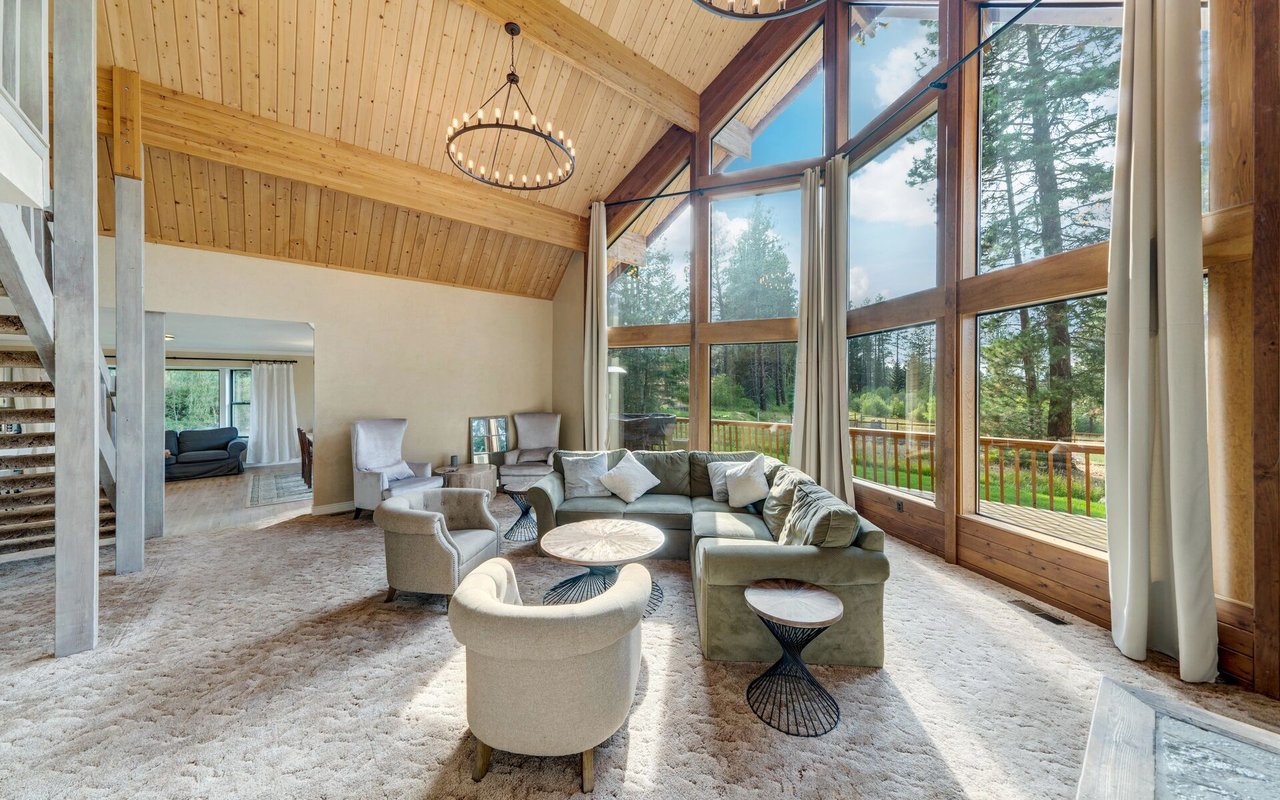
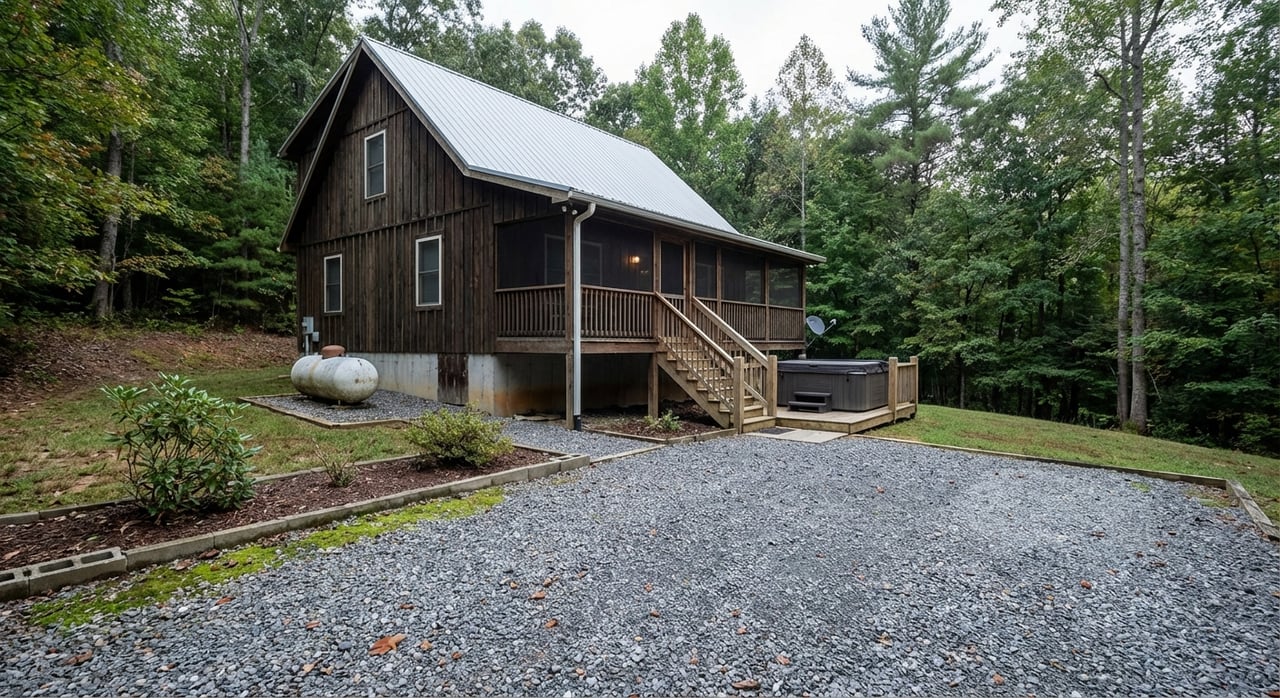
Guests still book on the basics. Reliable high-speed Wi-Fi, a real kitchen, washer and dryer, and visible safety devices are must haves. In mountain markets like Bryson City, hot tubs, private decks with a view, fireplaces, and straightforward parking often add measurable rate and demand. Research summarizing STR amenities supports these patterns, with Wi-Fi and kitchen as universal drivers and hot tubs and fireplaces as value add features in leisure destinations. You can review amenity insights in a published study at ResearchGate on Airbnb amenities.
A strong internet connection also influences reviews and repeat bookings, which supports year-round revenue. If the site allows, prioritizing a hot tub, a tidy deck, and simple outdoor seating can boost listing photos and click-throughs. For a deeper dive into the importance of internet quality, see this overview on why it matters for STRs at Rental Home Automator.
Mountain-operational musts that avoid complaints
In small mountain towns, clear directions and reliable access matter. Verify driveway grades, seasonal road maintenance, and parking capacity so guests arrive confidently. Set up self check-in and a concise local guidebook to reduce support calls. If the home uses a well or septic, confirm capacity and maintenance history. Local managers can outline typical issues and costs, which is especially helpful for remote owners. Learn more about manager support options at a regional operator resource like Smoky Mountain Stays Management.
Step-by-step underwriting for a 28713 cabin
Use this practical sequence to evaluate a specific address in Bryson City. Each step keeps you grounded in local data and real costs.
- Define your markets
- Geographic: map the home’s micro-market, such as proximity to downtown Bryson City, Deep Creek access, or the Fontana Lake side.
- Comparable OTA set: use a data vendor’s Bryson City polygon and filter by similar bedroom count and amenities. Start with AirDNA’s Bryson City market to frame your comps.
- Build a 12-month revenue model
- Model ADR, occupancy, and available nights, then apply minimum stays and owner blocks.
- Use a month-by-month seasonality curve rather than a single annual average, since Bryson City has large swings. Public seasonality resources like AirROI’s Bryson City summary can guide your shape.
- Run three scenarios: conservative at market median, base pro forma near top quartile, and downside near bottom quartile.
- Price the full expense stack
- Include property management, platform fees, cleaning and turnover, utilities and internet, STR insurance endorsement, hot tub service, snow or leaf season driveway work, repairs and maintenance, supplies, and reserves.
- Add tax load: Swain County’s 6 percent occupancy tax plus state sales tax on accommodations. Confirm filing schedules and what your platform remits using the Swain County FAQs and Avalara’s NC overview.
- Validate with on-the-ground comps
- Pull a small set of truly comparable listings from Airbnb and Vrbo and note their calendars, amenity sets, and review histories.
- Talk with two local property managers and request proposals with actual realized occupancy and rate examples for similar cabins.
- Test yield and sensitivity
- Compute RevPAR as ADR times occupancy to anchor your revenue. Stress-test your model by adjusting ADR and occupancy plus or minus 10 to 20 percent. Compare returns to a long-term rental baseline and account for your own personal use.
- Confirm legal fit and operations
- Verify STR allowance for the property address, any required registration or inspections, and HOA rules. Confirm that your lender and insurer will support STR use.
- Plan for resale and liquidity
- Turnkey STR cabins with year-round appeal, such as lake access, Fontana views, or walkable Deep Creek access, often see stronger buyer interest. Bryson City home prices vary by dataset, typically ranging from the mid 300s to mid 400s, so use fresh MLS comps to assess exit value and time on market.
What strong performance can look like
The market’s headline numbers suggest a typical listing near 31,000 dollars in annual revenue at roughly 47 percent occupancy and a 250 dollar ADR. To rise above median, focus on three levers you can control:
- Product quality: invest in reliable Wi-Fi, a spotless hot tub, updated beds and linens, and a photogenic deck or view if the site allows it.
- Positioning: write a guest-focused listing that highlights drive times to the railroad, Deep Creek, NOC, and Fontana, and use professional photos shot in peak foliage and clear summer light.
- Distribution and partnerships: list on more than one OTA and consider experience bundles in shoulder months, like train tickets or rafting add-ons through the Great Smoky Mountains Railroad.
Pair those with steady operations, including prompt communication, self check-in, and clear parking guidance. Many remote owners find that professional management improves both occupancy and reviews enough to justify the fee, particularly in a rural mountain setting.
Work with a local partner you can trust
If you are considering a Bryson City cabin, you deserve both data and local context. Our team lives and works in the Smokies and understands the details that make or break a mountain STR, from driveway grades to tax filings to what actually books nights in October. When you are ready to evaluate a specific address or want to see on- and off-market options, reach out to Great Smoky Mountain Homes. We will help you buy with confidence and set up your STR for long-term success.
FAQs
What are typical ADR and occupancy for Bryson City STRs?
- Public summaries indicate an average daily rate near 250 dollars and market occupancy around 47 percent, with performance varying by property type and amenities.
When is the best time to rent a Bryson City cabin?
- Summer and October are peak, with holiday weekends and special events lifting rates, while late winter months like January and February are typically the slowest.
What taxes apply to short-term rentals in Swain County?
- You owe Swain County’s 6 percent occupancy tax on gross receipts plus North Carolina sales tax on accommodations, with some taxes possibly remitted by your booking platform.
Do I need a permit or registration to host in Bryson City?
- Requirements can include local registration, business licensing, safety items, and compliance with HOA rules, so confirm details with Swain County and the Town of Bryson City.
Which amenities help Bryson City cabins book faster?
- Reliable high-speed Wi-Fi, a full kitchen, washer and dryer, hot tub, deck or view, fireplace, and clear on-site parking are common drivers of rate and occupancy.
How does Bryson City compare to Gatlinburg for STR investing?
- Bryson City often shows lower ADR and a smaller inventory than Gatlinburg, which can mean less competition and room to outperform with a well-positioned property.