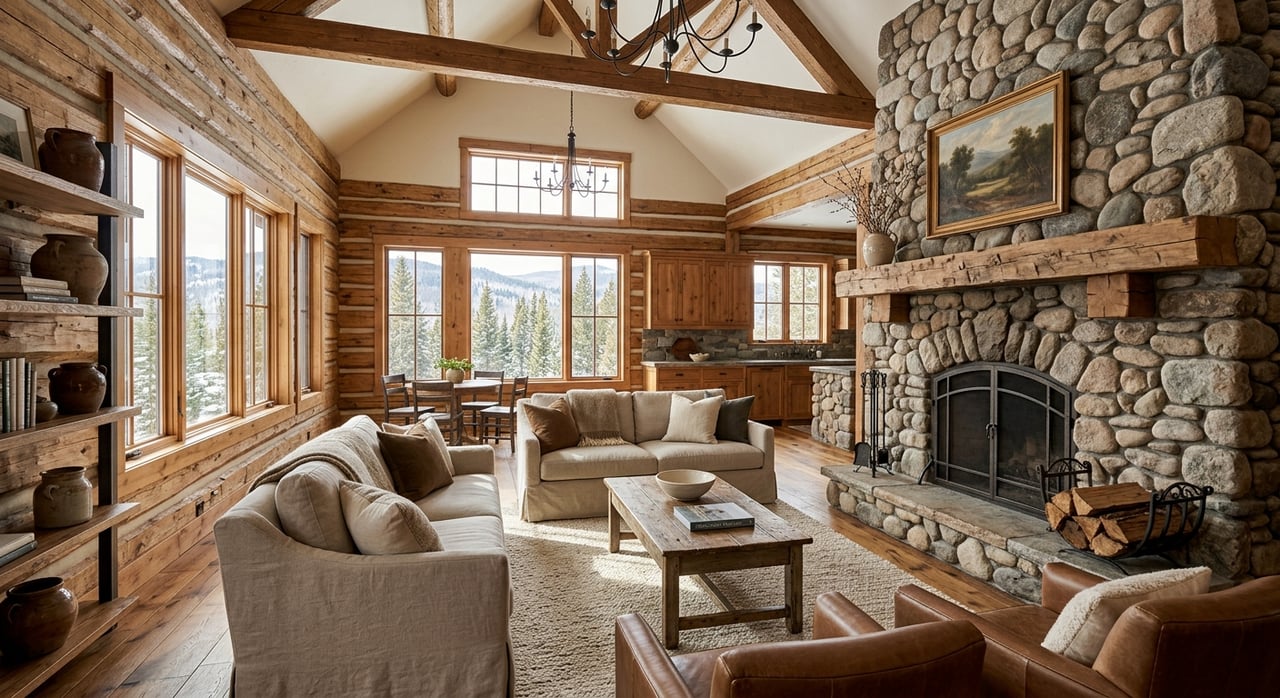
If you want top dollar for your Franklin mountain home, listing it "as is" and hoping for the best is rarely the strongest plan. In a market where buyers have options and homes can take time to sell, preparation matters more than ever. The good news is that you do not need a full remodel to make a strong impression. You need smart, local prep that helps your home show cleanly, photograph well, and feel well cared for. Let’s dive in.
Why prep matters in Franklin
Franklin’s recent housing data points to a slower, buyer-leaning market. In ZIP code 28734, Realtor.com reported 593 homes for sale in March 2026, a median listing price of $375,000, a median 62 days on market, and homes selling for about 2.87% below asking on average.
Other sources show different price and timing metrics, but the overall signal is similar. Redfin reported a median sale price of $277,000 with about 110 days on market, while Zillow showed a typical home value of $298,866 and about 26 days to pending. These numbers are not directly interchangeable, but together they suggest the same thing: your home needs disciplined pricing and strong presentation.
That is why home prep should be part of your marketing plan, not just a to-do list. National seller data shows most sellers want help with competitive pricing, marketing, finding a qualified buyer, and selling within a specific timeframe. In Franklin, thoughtful prep supports all four.
Start with moisture and exterior issues
Mountain homes face weather differently than homes in drier areas. Franklin’s climate averages about 55.5 inches of annual precipitation, which means moisture, mildew, and exterior wear deserve close attention before you list.
A buyer may fall in love with your porch, deck, or wooded setting, but visible maintenance issues can quickly raise concerns. That is especially true in mountain markets, where buyers often pay close attention to drainage, access, and outdoor living areas.
Focus on leaks and damp areas
The EPA recommends fixing leaks quickly, drying wet materials within 24 to 48 hours, keeping indoor humidity between 30% and 60%, cleaning gutters regularly, and making sure the ground slopes away from the foundation. Those steps are practical for any home, but they are especially important for mountain properties.
Before listing, check for signs of water intrusion or lingering dampness in crawlspaces, basements, around windows, and near the roofline. If you know of an issue, address it early. Buyers tend to notice moisture concerns fast, and unresolved problems can affect showings, inspections, and negotiations.
Clean up the exterior buyers see first
Your exterior does a lot of heavy lifting in a mountain home sale. NAR’s 2025 staging report found that outdoor and yard space is one of the most commonly staged areas, and 77% of sellers’ agents recommended improving curb appeal.
For a Franklin home, that often means paying attention to:
- Driveway condition
- Entry path
- Porch and deck surfaces
- Railings and steps
- Exterior lighting
- Overgrown vegetation near the house
- Gutters and downspouts
You do not need luxury landscaping to make a strong first impression. You just need the property to feel safe, maintained, and easy to approach.
Think about vegetation and defensible space
The North Carolina Forest Service advises homeowners to harden the home and create defensible space in the home ignition zone. For sellers, that makes basic vegetation management a smart step before photos and showings.
Trim back overgrowth close to the house, remove obvious debris, and make exterior access points more visible. This can improve the look of the property while also helping buyers better understand the home’s layout and condition.
Declutter, clean, and simplify inside
Once the outside is handled, move indoors. For most Franklin sellers, the goal is not an expensive renovation. The better strategy is a clean, neutral, move-in-ready presentation.
NAR’s 2025 staging report supports that approach. More than half of sellers’ agents said they do not stage homes before listing but instead suggest decluttering or fixing property faults. The most common recommendations were decluttering, whole-home cleaning, and improving curb appeal.
Remove distractions, not personality
Buyers want to understand the space quickly. Too much furniture, heavy decor, crowded shelves, or overfilled closets can make rooms feel smaller and harder to read.
Start by removing items that pull attention away from the home itself. That may include excess furniture, personal collections, unused kitchen gadgets, stacks of paper, or seasonal gear stored in plain sight. You want buyers to notice the room, not the contents.
Deep clean the rooms that matter most
The most commonly staged spaces are the living room, primary bedroom, dining room, kitchen, and outdoor areas. These are often the rooms where buyers form their strongest first impressions.
Give special attention to:
- Floors and baseboards
- Windows and glass doors
- Kitchen counters and appliances
- Bathroom fixtures and grout
- Ceiling fans and light fixtures
- Pet areas and odor sources
A clean home signals care. In a buyer-leaning market, that can make a meaningful difference.
Use light staging, not costly overhauls
A common mistake sellers make is assuming they need to spend big to compete. The research suggests otherwise. In many cases, light updates and targeted staging do more good than a major pre-listing project.
NAR reported a median spend of $1,500 when sellers used a professional staging service, compared with $500 when the seller’s agent personally staged the home. That makes it easier to think about staging as a spectrum rather than an all-or-nothing choice.
Prioritize simple, high-impact changes
Before you spend money on major upgrades, focus on changes that help your home feel brighter, cleaner, and easier to picture living in. Depending on your home, that might include:
- Rearranging furniture for better flow
- Adding fresh bedding or neutral linens
- Clearing kitchen and bathroom counters
- Touching up paint where needed
- Updating a few worn accessories or light bulbs
- Refreshing porch seating or outdoor decor
For many mountain homes, the lifestyle appeal is already there. Your job is to let buyers see it clearly.
Prepare for photos before you list
Online presentation matters. NAR’s 2024 buyer data found that 43% of buyers said their first step was searching online, and 41% found photos very useful. Buyers typically viewed seven homes, and two of those were online only.
That means your listing photos are not a small detail. They are a major part of how buyers decide whether your home is worth a showing.
Finish prep before photography day
Photography should come after cleaning, decluttering, and staging. If photos are taken too early, you may end up showing buyers clutter, unfinished projects, or missed maintenance items that hurt the home’s appeal.
Before photography, make sure the home looks consistent from room to room and from the exterior to the interior. Open blinds where appropriate, replace burnt-out bulbs, clear countertops, and tidy outdoor spaces. Good photos work best when the home already feels ready.
Get your paperwork ready early
In North Carolina, listing preparation is not only about appearance. It is also about documents and disclosures.
The North Carolina Real Estate Commission says most sellers must provide the Residential Property and Owners’ Association Disclosure Statement before an offer, and brokers must ensure it is delivered to prospective buyers. Sellers must also provide the Mineral and Oil and Gas Rights Mandatory Disclosure Statement before an offer. Beginning in 2024, sellers must also disclose prior flood damage.
Build a pre-listing file
For a mountain property, it helps to gather your key documents before the home goes live. That can make buyer questions easier to answer and keep the transaction moving.
Your pre-listing file may include:
- Service records
- Permits
- Survey or plat
- HOA documents, if applicable
- Road maintenance information, if applicable
- Roof paperwork
- HVAC records
- Drainage-related records
- Well or septic documents
- Warranty information
Known material facts still need to be disclosed, even if a seller chooses no representation. Getting organized early can reduce stress later.
Price with discipline from day one
Even a well-prepared home can struggle if the price misses the market. In Franklin, pricing and presentation need to work together.
Because local data points to a buyer’s market, many sellers benefit from a launch strategy based on current comparable sales and active competition, not just personal expectations or a quick-sale story from a different market. If buyers see value and condition from the start, your home has a better chance of attracting serious interest early.
Think of prep and pricing as one strategy
A clean, well-presented home supports your asking price. At the same time, realistic pricing helps buyers take your prep seriously.
This is where an experienced local agent can add value through comparative market analysis, launch timing, listing copy, photography coordination, showing management, and negotiation through inspection and due diligence. In a market like Franklin, details matter.
A smart prep sequence for Franklin sellers
If you want a simple plan, follow this order:
- Fix moisture, drainage, and exterior maintenance issues
- Clean up curb appeal, access, and outdoor living areas
- Declutter and deep clean the interior
- Lightly stage the main living spaces and outdoor areas
- Complete professional listing photos
- Launch with pricing based on current local market conditions
This sequence matches how buyers shop today and what matters most in a mountain home sale. It also helps you focus your time and budget where it can have the biggest impact.
Selling in Franklin does not mean making your home perfect. It means making it clear, cared for, and market-ready. When your home looks well maintained, shows its best features, and enters the market with a smart price, you put yourself in a stronger position from the start.
If you are getting ready to sell and want practical guidance tailored to your property, Great Smoky Mountain Homes can help you create a prep and pricing plan that fits today’s Franklin market.
FAQs
What should sellers fix first before listing a Franklin, NC mountain home?
- Sellers should start with moisture, leaks, drainage, gutters, and visible exterior wear because Franklin’s wet mountain climate can make those issues more important to buyers.
How much staging does a Franklin mountain home need before selling?
- Most sellers do not need full-scale staging. Decluttering, deep cleaning, fixing obvious property faults, and lightly staging main living areas and outdoor spaces are often the most practical steps.
Why does curb appeal matter for a mountain home in Franklin?
- Curb appeal helps buyers feel confident before they walk inside. For mountain properties, the driveway, entry path, porch, deck, steps, lighting, and nearby vegetation all shape that first impression.
What disclosures do North Carolina sellers need before accepting an offer?
- North Carolina sellers generally need to provide the Residential Property and Owners’ Association Disclosure Statement and the Mineral and Oil and Gas Rights Mandatory Disclosure Statement before an offer, and prior flood damage must also be disclosed.
What documents should sellers gather before listing a Franklin mountain property?
- It helps to gather service records, permits, survey or plat documents, HOA or road-maintenance information if applicable, and paperwork related to the roof, HVAC, drainage, well, septic, and warranties.
How should a Franklin seller price a mountain home in a buyer’s market?
- Pricing should reflect current local comparable sales and active competition, not just seller expectations. In a buyer-leaning market, realistic pricing and strong presentation usually work best together.