Thinking about buying a cabin in Bryson City to use as a short-term rental? You want simple, local facts to gauge demand, set the right amenities, and stay compliant in Swain County. This guide walks you through the basics for ZIP 28713 so you can plan with confidence and avoid costly missteps. Let’s dive in.
Why Bryson City draws STR guests
Bryson City sits close to mountain trails, waterfalls, lakes, and rivers that keep visitors coming year-round. Many guests come for hiking, paddling, scenic drives, and fall foliage. Families, multi-generational groups, couples seeking a mountain escape, and a growing number of remote workers make up the core guest mix.
Proximity to outdoor assets shapes both your pricing and your listing’s appeal. Properties with easier year-round access and convenient distance to town services often capture broader demand, especially from families and older travelers.
Seasonality and booking patterns
Expect demand to move with the weather and the calendar.
- High season: late spring through early fall, plus a strong autumn leaf peak in September and October.
- Shoulder seasons: April to May and November can be mixed. Local events may create brief spikes.
- Low season: winter outside major holidays tends to be slower, while Thanksgiving and Christmas/New Year can be solid if access is reliable.
- Weekend bias: short weekend stays are common, especially from regional drive markets. Week-long stays rise in peak summer and among families.
Operational takeaway: Use dynamic pricing and adjust minimum nights by season. Shorter minimums in shoulder and low seasons can boost conversion. Longer minimums and premium rates work best in summer and leaf season.
Amenities that drive bookings
Core must-haves
- Clean, reliable heat and hot water
- Fast, stable internet and Wi‑Fi
- Comfortable beds with clear bed counts
- Fully equipped kitchen with basics
- Washer and dryer
- Keyless entry with clear check-in instructions
- High-quality photos and an accurate description
High-impact extras
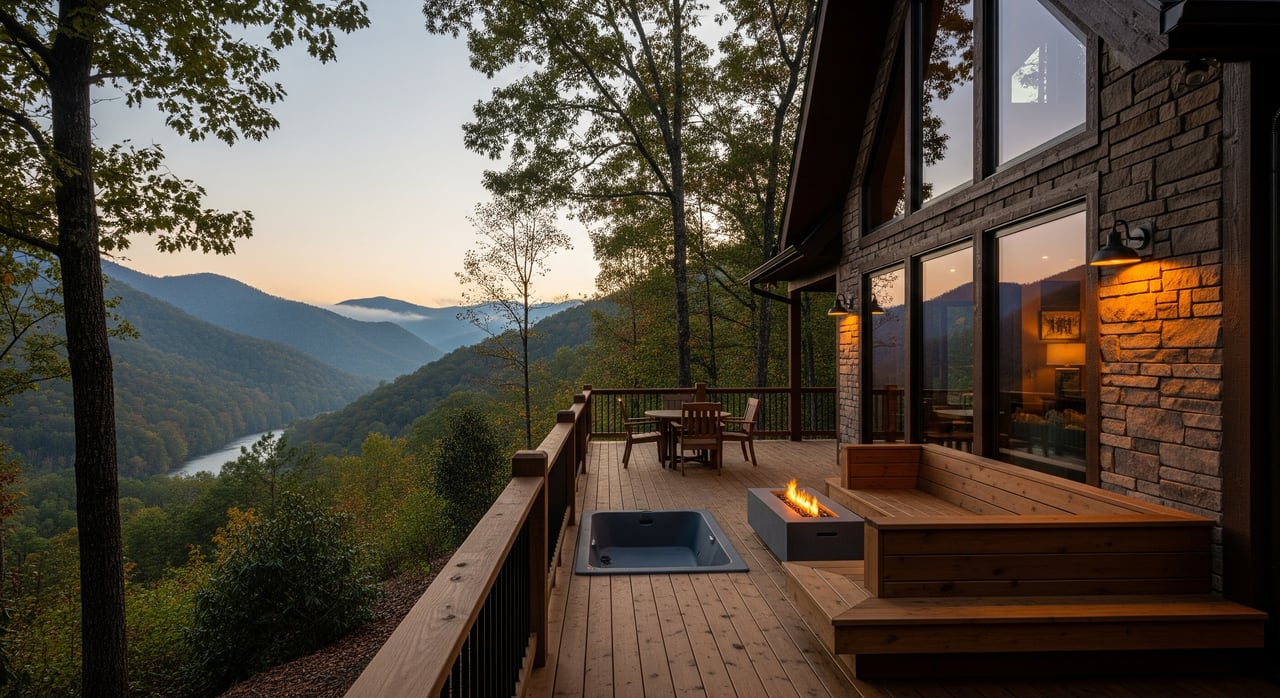
- Private hot tub
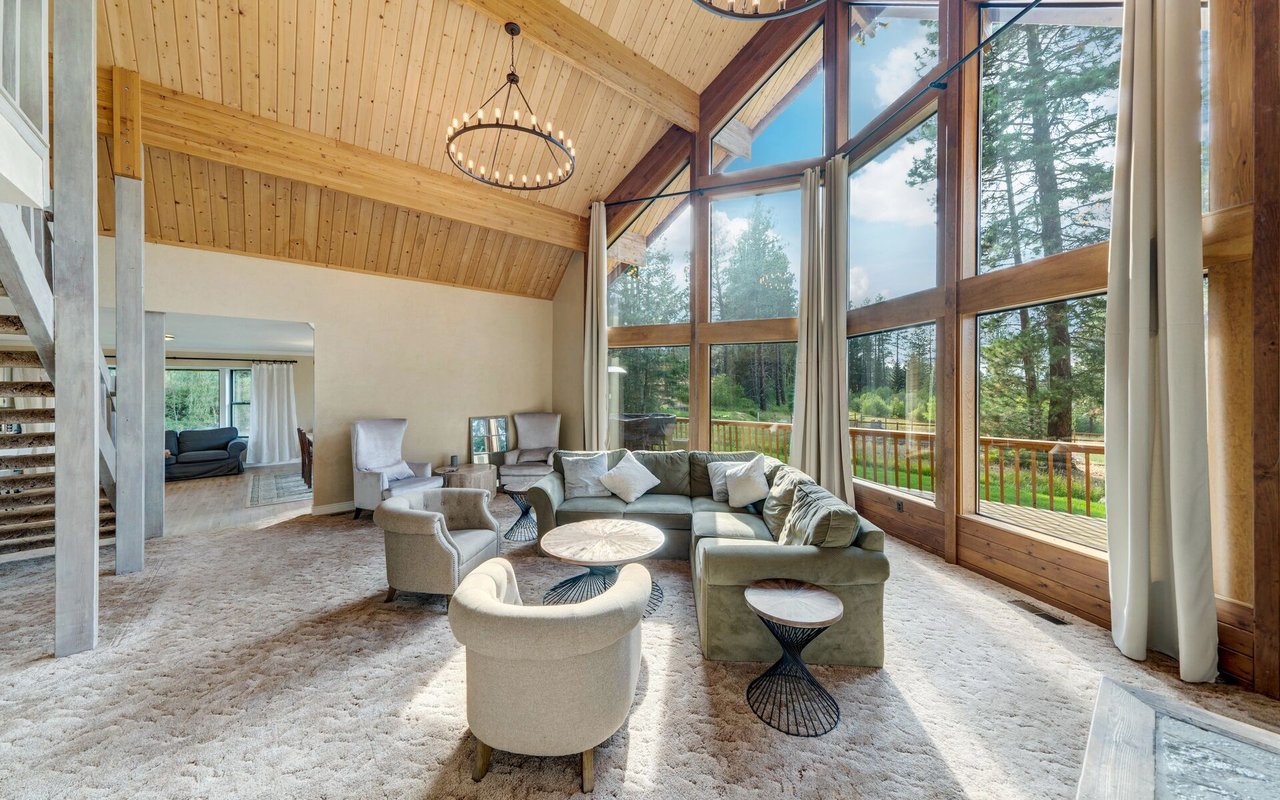
- Mountain or water views, or proximity to water or trailheads
- Fireplace and a safe outdoor fire pit area
- Dedicated, easy parking and year-round access
- Outdoor living: decks, grill, covered seating
- Pet-friendly features with clear rules and fees
- Baby and kid-friendly items for families
- Entertainment touches: board games, streaming, and a printable guidebook
What to disclose and highlight
- Privacy and seclusion level, and typical noise
- Safety items: smoke and CO detectors, fire extinguisher, emergency contacts
- Road and driveway notes if steep, unpaved, or narrow
- Distance to groceries, restaurants, gas, and medical care if the property is remote
Pricing, occupancy, and fees
Use a dynamic pricing strategy that follows local seasonality, special events, and competitor rates. Flexible minimum nights by season tend to convert best, such as 2 to 3 nights in low or shoulder periods and 3 to 5 nights in summer and leaf season. Holiday weekends often warrant a 3-night minimum.
Keep fees transparent. Cleaning and pet fees are common, as are required occupancy taxes. If you list on multiple marketplaces, account for channel commissions and keep your calendar synced. A direct booking option can help long-term, but only if you can manage it reliably.
Operations and cost planning
Mountain homes require thoughtful planning and a realistic budget.
- Turnovers: Remote locations often mean longer cleaning times and extra inventory restocking.
- Maintenance: Budget for seasonal service on HVAC, roof checks, septic or pump systems, and driveway upkeep.
- Utilities: Heating costs in cooler months, internet service reliability, landscaping, and snow or debris clearing when needed.
- Management: Decide whether to self-manage or hire a local property manager. Balance potential occupancy gains against time and fees.
- Safety and support: Set clear expectations for response times and have a plan for emergencies and routine issues.
Guest experience that earns 5-star reviews
Make arrival easy and the stay stress-free.
- Send clear driving directions, parking details, and check-in steps.
- Provide a welcome guidebook with local dining, grocery, trail options, and rafting outfitters, including distance and drive times.
- Communicate quickly and professionally. Set simple, fair house rules.
- Use a cleanliness checklist. Stage spaces, make beds, and label pantry basics.
- Include a house manual for safety procedures, wildlife guidance, severe weather notes, and septic usage.
Regulations, taxes, insurance, and safety
Before you buy or operate, verify the rules that apply to your specific address.
- Local rules: Review Town of Bryson City and Swain County ordinances for registration, permits, occupancy limits, noise rules, and any special district restrictions. If the property lies on or near tribal jurisdictions, confirm separate regulations. If in an HOA, read CC&Rs for STR limits.
- Taxes: Register with the North Carolina Department of Revenue for state sales and occupancy taxes. Check with Swain County and the town for local taxes and remittance schedules. Report rental income to the IRS; personal-use rules may affect your filing.
- Insurance: Standard homeowner policies often exclude STR activity. Secure short-term rental coverage or an endorsement for liability, property damage, and business income interruption.
- Safety and infrastructure: Install smoke and CO detectors, fire extinguishers, and a first-aid kit. Confirm Wi‑Fi reliability and note cell coverage limitations in your listing. Maintain septic and well systems and share usage guidance with guests.
How to run a comp review
Use a consistent framework to compare similar rentals and estimate performance.
Collect key metrics
- Basics: distance to downtown Bryson City, grocery, nearest trailhead, Fontana Lake or river put-in, and nearest hospital or urgent care
- Property: bedroom and bath count, guest capacity, square footage, lot type, driveway details
- Amenities: hot tub, views, water access, fireplace, deck, pet policy, washer/dryer, parking, internet speed
- Performance: ADR, occupancy by month and year, RevPAR, average stay length, seasonal ADR, booking lead time, cancellation policy, cleaning fee
- Listing health: review count and rating, photo quality and count, Instant Book, response time, listing channels
- Operations: minimum nights by month, owner-blocked dates in peak season, management setup
Adjust for apples-to-apples
- Size and layout: adjust rates by bedroom and bath differences.
- Location: proximity to town, lakes, river access, trailheads, and road quality can move ADR materially.
- Amenities: assign premiums for hot tubs, water access, and standout views.
- Condition and decor: renovated and well-staged homes convert better; dated interiors often need price concessions.
- Availability: account for owner blocks that remove peak weeks from the calendar.
Where to gather insights
Combine data tools with direct marketplace research. Review active listings to study photos, amenities, fees, and reviews. Cross-check with local event calendars, conversations with area property managers, and public records or MLS when modeling returns.
Common risks and practical mitigations
- Regulatory change: Monitor town and county updates and register before operating.
- Weather and access: Plan for road conditions and seasonal closures. Disclose driveway details and consider year-round access improvements.
- Overhead and repairs: Build conservative models with slow-season scenarios and keep a maintenance reserve.
- Reputation: Invest in great photography, clear communication templates, and documented safety protocols to reduce incidents and earn strong reviews.
Next steps in 28713
Focus your search by matching property features to the guests you want to serve. A family-friendly cabin near services needs reliable Wi‑Fi, kid gear, and easy parking. A couples’ escape might prioritize privacy, views, and a hot tub. Whatever your strategy, align your pricing, minimum nights, and guest experience to the season.
If you want expert, local guidance on short-term-rental-ready cabins or investment properties in Bryson City and Swain County, reach out to the neighborly team that knows these mountains well. Connect with Great Smoky Mountain Homes to start your search with confidence.
FAQs
When is peak season for STRs in Bryson City 28713?
- Late spring through early fall is strong, with a notable peak in September and October for fall foliage; winter slows outside major holidays.
What amenities increase nightly rates in Bryson City?
- Hot tubs, views or water proximity, fireplaces, outdoor living spaces, pet-friendly setups, and kid-friendly items often justify premium pricing.
How should I set minimum nights for a Bryson City rental?
- Use flexible rules by season: typically 2 to 3 nights in low or shoulder periods, 3 to 5 nights in summer and leaf season, and 3 or more over holiday weekends.
What local rules apply to STRs in Swain County and Bryson City?
- Check municipal and county ordinances for permits, occupancy, and nuisance rules; review HOA documents; and confirm any separate tribal regulations if applicable.
What ongoing costs should I plan for with a mountain STR?
- Budget for cleaning and restocking, HVAC service, septic and well maintenance, driveway upkeep, utilities, landscaping, and seasonal wear from weather.
How important is internet reliability for Bryson City guests?
- Fast, stable Wi‑Fi is increasingly essential for streaming and remote work; confirm reliability and note any cell coverage limitations in your listing.