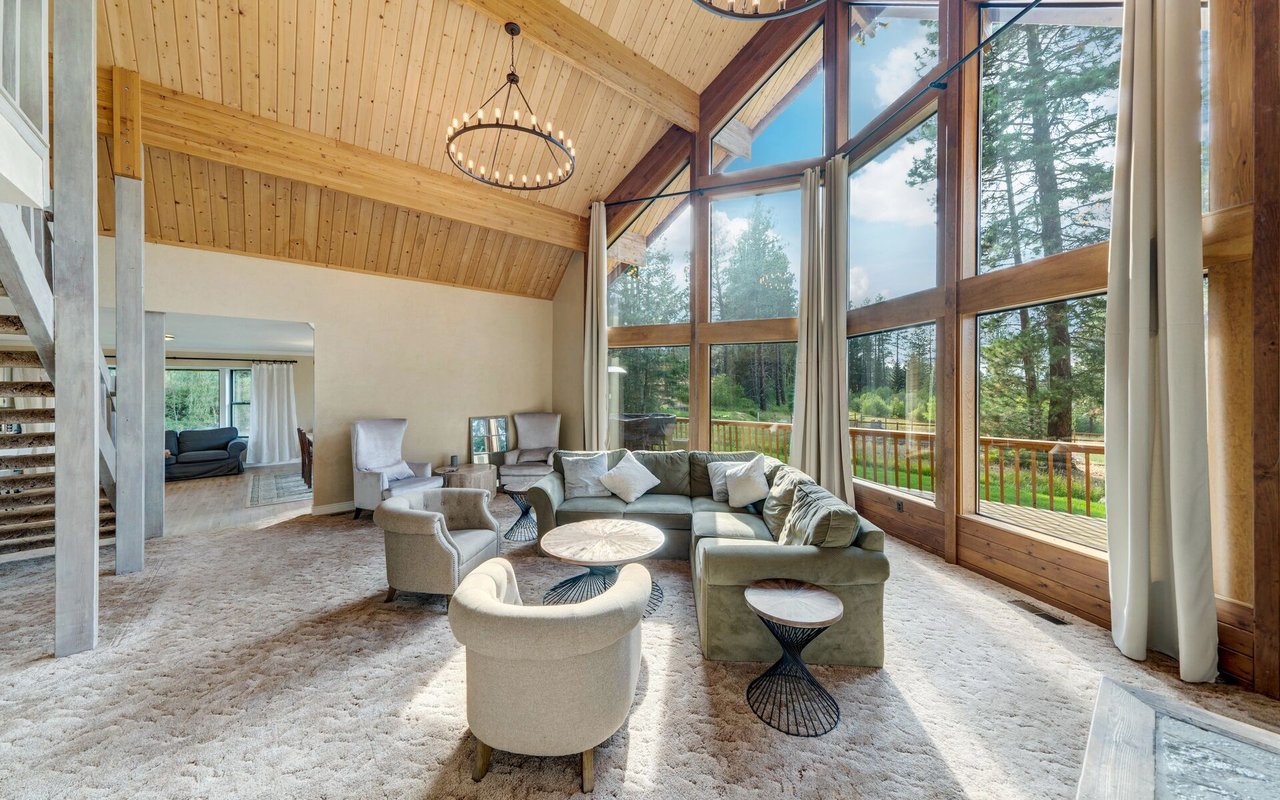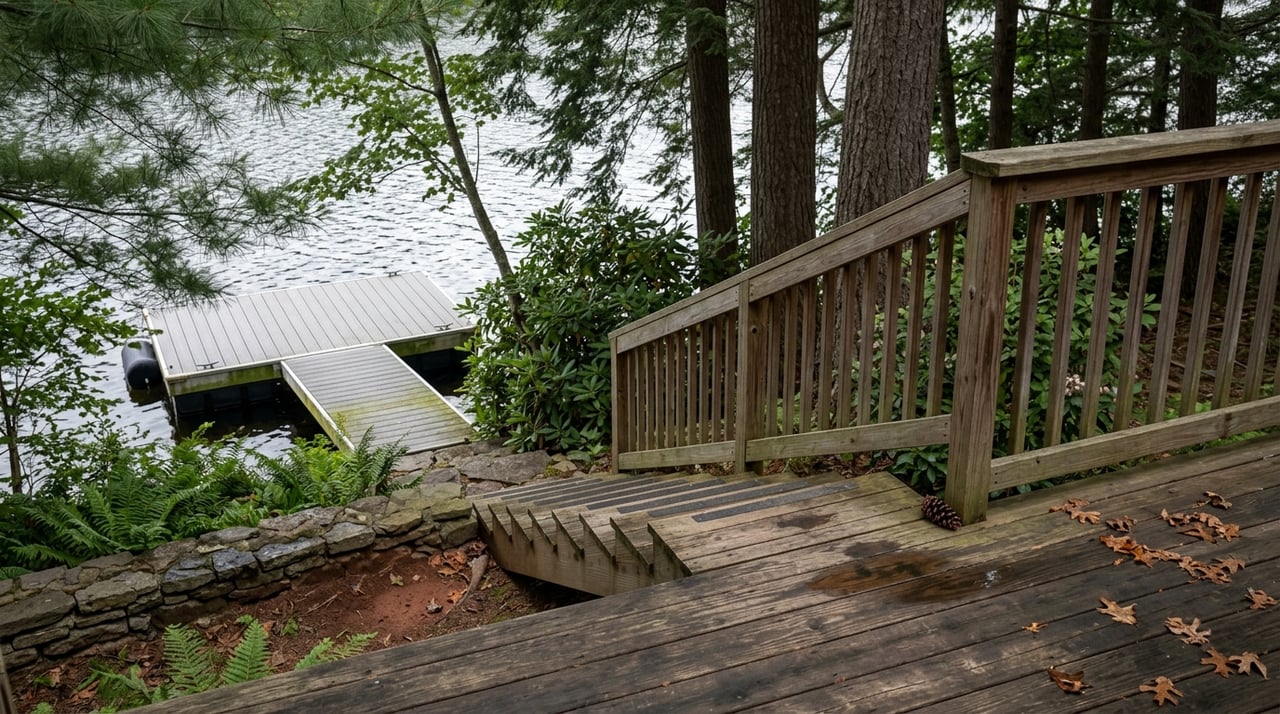
Looking at homes or land near the lakes in Tuckasegee? It is easy to fall for the views first and ask questions later. But in this part of Jackson County, buying near the water also means understanding steep terrain, shoreline rules, utility feasibility, and a reservoir system that is actively managed. If you know what to check before you make an offer, you can protect your budget, avoid surprises, and buy with more confidence. Let’s dive in.
Lake living in Tuckasegee
Buying near the lakes in Tuckasegee is not the same as buying in a typical suburban waterfront community. Around Lake Glenville, also known as Thorpe Reservoir, you are buying into a mountain-reservoir setting shaped by topography, public rules, and Duke Energy lake management.
Lake Glenville sits on the Tuckasegee River in Jackson County. North Carolina DEQ says the reservoir supports recreational fishing, swimming, and boating, and Duke Energy has used it for hydroelectric generation since 1941. That mix is part of what makes the area attractive, but it also means the lake is managed for more than just private enjoyment.
NC DEQ’s 2024 monitoring found very low nutrient concentrations, turbidity below the Trout Water standard, and a seasonal average of mesotrophic conditions. The watershed is described as mostly forested with scattered residences, which helps explain why the area feels quiet and tucked away.
Why the reservoir matters
One of the biggest mindset shifts for buyers is this: Lake Glenville is a working reservoir, not an unregulated private lake. That can affect shoreline improvements, water access expectations, and how you use the property through the year.
Buyers also sometimes focus only on one body of water, but Tuckasegee is part of a broader reservoir corridor. NC DEQ’s basin reporting also profiles Bear Creek Reservoir, Cedar Cliff Reservoir, and Wolf Creek Reservoir in the same system. If you are comparing properties in the wider area, that context can help you understand how different lake-area options may function.
Terrain can shape your plans
In the Tuckasegee area, the lot itself often tells the real story. A beautiful water view or a short distance to the shoreline does not always mean the site is simple to build on or improve.
Jackson County offers slope-analysis review to determine density requirements under its Mountain and Hillside Development regulations. The county also requires an undisturbed buffer around lakes and watercourses equal to the parcel’s average slope in feet. That means steep land can directly affect how much usable area you really have.
County code treats steep-slope land disturbance as a public health, erosion, and drainage issue. Rules include cut-and-fill controls and stormwater requirements for hillside development. If you are buying a vacant lot, or planning a major addition or site work, this is not a detail to leave for later.
Access is more important than it looks
Driveway grade, road condition, and legal access matter in mountain property. A listing photo rarely tells you how easy it is to reach the property in different weather or whether emergency vehicles have practical access.
Jackson County code says private subdivision roads are privately maintained, and maintenance responsibilities must be noted on the final plat. Every lot still needs access that is adequate for emergency vehicles. Before buying, it is smart to ask who maintains the road, what the road agreement says, and whether the route fits your comfort level.
Utilities are a gatekeeper issue
For homes on private systems or vacant lots near the lake, septic and well feasibility should move to the top of your checklist. In mountain markets, utility questions can decide whether a property is a great fit or a frustrating project.
Jackson County Environmental Health requires a site plan or plat for septic and well review. The county also says new septic work requires a Land Development Application before the Environmental Health Services application. If the site checklist is incomplete when the specialist visits, the county notes that a go-back fee may be charged.
For buyers, the practical takeaway is simple:
- Confirm whether the property already has permitted septic and well improvements
- Review the site plan or plat early
- Ask whether a vacant parcel has been evaluated for septic suitability
- Do not assume that a scenic lot is automatically buildable
Shoreline improvements are not just cosmetic
A dock, retaining wall, riprap, or shoreline repair may look like a finished feature, but each one should be treated as a site-and-permit question. Near the lakes in Tuckasegee, shoreline details can affect both your use of the property and your future costs.
Duke Energy’s lakes resources direct users to check lake levels, flow releases, shoreline management, and permit needs for shoreline activities. Jackson County code also says shoreline stabilization structures such as stone riprap and bulkheads must conform to NRCS standards and have the necessary federal and state permits.
That means you should not treat a dock or shoreline wall as a simple visual upgrade. You will want to verify what is permitted, what was approved, and what may require future review if repairs or changes are needed.
Water levels and recreation can change seasonally
If you picture a fixed waterfront experience year-round, it helps to reset expectations. In a managed reservoir environment, shoreline usability and water-related recreation can shift with lake operations and scheduled releases.
Duke Energy provides tools for checking lake levels, flow releases, shoreline management information, and flow arrival and recession times. Its 2026 Tuckasegee recreation calendar lists West Fork bypass releases on April 25 to 26, June 13, July 4, July 25, August 8, and August 29 from 10 a.m. to 4 p.m. at a target flow of 250 cfs.
For buyers, this does not mean the lifestyle appeal disappears. It means your expectations should match the reality of a mountain reservoir that changes with season, operations, and shoreline conditions.
Outdoor living still depends on site rules
Many buyers are drawn to lake-area homes for decks, porches, view corridors, and outdoor living space. Those features are a big part of the appeal in Tuckasegee, especially for second-home buyers, vacation-home shoppers, and buyers looking for a quieter mountain-water setting.
But even attractive outdoor improvements still have to fit local rules. Slope, buffer, floodplain, and shoreline regulations can all affect what can be added, expanded, or rebuilt. If you are buying for future lifestyle upgrades, make sure the site supports your plans before you commit.
Floodplain due diligence matters
Not every lake-area property sits in a special flood hazard area, but floodplain review should always be part of your due diligence. This is especially important when a property is near watercourses, lower ground, or shoreline edges.
Jackson County enforces its flood damage prevention ordinance through the Erosion Control & Floodplain office. County code requires a floodplain development permit before development in special flood hazard areas, and the ordinance says buyers should be made aware when a property is in one of those areas.
County staff also say preliminary flood maps have been released and that Jackson County and its municipalities will likely adopt them sometime in 2026. Because of that, flood-zone status should be rechecked against the current map set before closing.
What to verify before closing
A smooth lake-area closing usually comes down to careful checking, not guesswork. In this market, several offices may have a role, including Planning, Environmental Health, Permitting and Code Enforcement, and Duke Energy shoreline controls.
Before you close, it is wise to verify:
- The current survey or plat
- Flood-zone status using the current map set
- Septic and well feasibility or permit history
- Private road documents and maintenance details
- Any HOA documents that affect use or access
- Dock permit status and shoreline improvement approvals
- Whether the property inspector understands mountain and waterfront homes
These steps can help you avoid surprises after closing, especially if you are buying from out of market or purchasing vacant land for a future build.
Local guidance can make a big difference
Tuckasegee lake property can be rewarding to own, but it asks more of buyers than a standard in-town purchase. You are often weighing slope, access, utility feasibility, floodplain questions, and shoreline rules all at once.
That is why local guidance matters. When you work with a team that understands mountain roads, buildability questions, and the moving parts of waterfront due diligence, you can make better decisions and move forward with fewer unknowns.
If you are exploring homes, land, cabins, or vacation property near the lakes in Tuckasegee, Great Smoky Mountain Homes is here to help you sort through the details with steady, local insight.
FAQs
What makes buying near Lake Glenville different from other waterfront markets?
- Buying near Lake Glenville means buying in a managed mountain-reservoir environment where slope rules, shoreline controls, and Duke Energy lake operations can affect how a property is used and improved.
What should buyers check about buildability near the lakes in Tuckasegee?
- Buyers should review slope constraints, required buffers, land disturbance rules, road access, and septic and well feasibility before assuming a lot is ready to build on.
Do docks and shoreline walls near Tuckasegee lakes need permits?
- Yes, shoreline features such as docks, riprap, bulkheads, and repairs should be reviewed for permit status and compliance with county, state, federal, and Duke Energy requirements.
Why is flood-zone status important for lake-area property in Jackson County?
- Flood-zone status can affect development rules, permit needs, and closing due diligence, and Jackson County says buyers should be made aware when property is in a special flood hazard area.
Should buyers recheck flood maps before closing on lake property in Tuckasegee?
- Yes, Jackson County says preliminary flood maps have been released and likely adoption is expected in 2026, so buyers should confirm the current map status before closing.
What utilities should buyers verify for vacant lake-area lots in Tuckasegee?
- Buyers should verify septic suitability, well review requirements, and any existing permit history because utility feasibility is a key early step for vacant mountain lots.